
Buying Guide

How to Choose an Electric Reel Battery for Deep Drop Fishing

Once you start fishing 500, 700, or 1,000 feet down, the battery is no longer an afterthought. It becomes part of the fishing system. Deep-drop anglers are not just buying power. They are buying easier resets, cleaner deck movement, and a setup they can trust when the day turns into repeated drops for tilefish, grouper, snapper, or other deep species.

What Experienced Buyers Check

  • Exact reel model and power requirement
  • Target fishery and expected depth range
  • Connector, charger, and cable details
  • How portable the setup feels on deck
  • Shipping and travel reality for lithium batteries
Guide cover for choosing an electric reel battery
Serious deep-drop buyers care about mobility and fast resets almost as much as headline battery specs.
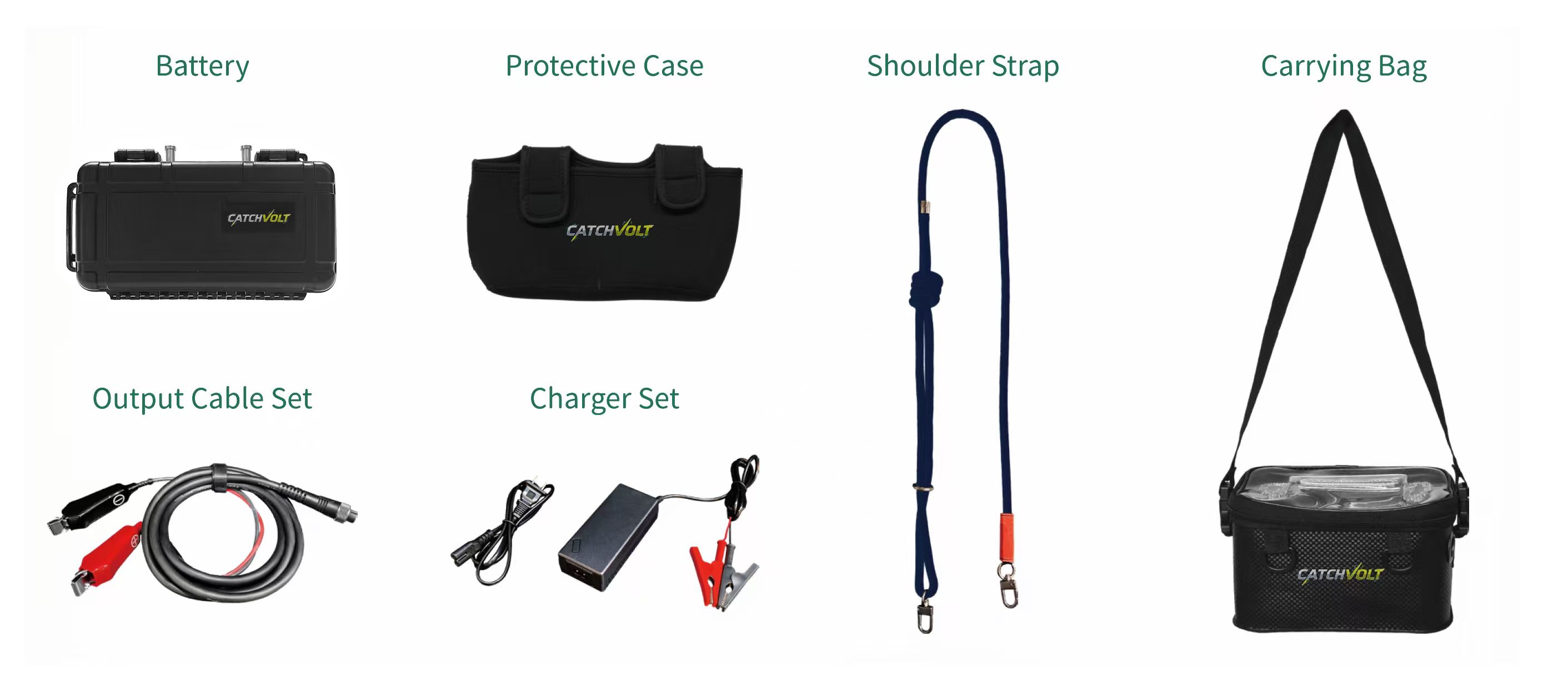
Battery, charger, case, and cable set displayed together
A real buying decision usually includes charger, cable set, carry method, and support, not just the battery alone.

1. Start With The Reel

Electric reels do not all live in the same battery world

This is the first place beginners get loose. They shop for batteries before they lock down the reel. That works for sunglasses, not for power assist gear. PENN’s Fathom Electric is built around an integrated lithium concept, while Daiwa’s Seaborg and Tanacom families live in the corded power-assist world and use specific cables and power assumptions.

  • Confirm exact reel model before you compare batteries
  • Ask for the reel’s operating voltage or accepted range
  • Confirm which connector or power cord the reel family uses

2. Match The Fishery, Not Just The Category

Standard deep drop and serious daytime swordfishing are different jobs

Current tackle rankings make this point clearly. Many electric reels are excellent for tilefish and other deep dwellers, but that does not automatically make them the right answer for dedicated daytime swordfish work. The reel class changes, and the battery discussion should change with it.

  • Normal deep-drop fishing is one category
  • Serious daytime swordfishing is another category entirely
  • Battery expectations should follow depth, drag, and line class

3. Portability Is Real Performance

On deck, anglers care about movement and setup speed, not just amp-hours

This is where experienced anglers start sounding different from spec-sheet shoppers. They do care about power, but they also care about how fast they can reset, how clean the deck stays, and whether the battery is annoying to move around all day. That is one reason compact systems and cordless concepts are getting so much attention.

If the battery is awkward, heavy, or messy to rig, the whole electric reel setup feels less refined no matter how good the reel itself is.

4. Buy The Full Power Setup

A matched charger and the right cable kit matter more than many first-time buyers expect

Good product pages should answer obvious practical questions. What charger is included? Does it support normal 100-240V input? Which cable comes in the box? Does the reel family need a different lead? A battery without those answers feels unfinished.

  • Ask whether the charger is matched to the battery pack
  • Ask what cable or adaptor comes with the reel setup
  • Ask whether charger documentation can be shared before payment

5. Think In Drops, Not Marketing Hours

Runtime depends on depth, current, load, and how often you are resetting

A fixed “all day” runtime number sounds nice, but experienced deep-drop anglers know that one person is checking baits in 600 feet while another is fishing much deeper or grinding heavier fish. The better question is: how many drops, how much depth, how much load, and what reel?

  • Deeper drops cost more time and more power per cycle
  • Drag load and fish size change battery demand
  • “How many resets?” is usually better than “How many hours?”

6. Shipping And Travel Are Part Of The Purchase

Lithium rules affect how the battery gets to you and how you may later travel with it

This is not boring paperwork. FAA passenger guidance still draws hard lines around how lithium batteries are carried, and cargo carriers have their own rules. That is why destination country, carrier acceptance, and refund logic should be clarified before payment, not after.

A reel battery is not an ordinary accessory. Serious buyers ask about shipping and travel because they understand that lithium handling is part of the real ownership experience.

Simple Before-Order Checklist

What a smart deep-drop buyer usually sends before ordering

Reel Model

Brand, exact model, and any connector detail or cable photo you already have.

Target Use

Tilefish, grouper, snapper, or dedicated swordfish work, plus your normal depth range.

Shipping Country

Your destination country or delivery region before final payment.

Kit Questions

Charger input, cable set, included accessories, and any shipping concern.

Practical Next Step

Use Support Before Payment If You Want To Confirm Reel Fit, Shipping, Or Charger Details

Reel Mate is built for anglers who want a lighter and cleaner electric reel setup. If you want to confirm compatibility, charger details, or shipping before payment, send support your reel model and intended fishery first.

Quick Answers

Frequently Asked Buying Questions

Should I start with battery capacity or with the reel?

Start with the reel. Confirm model, power requirement, and connector style first. Only then does battery comparison become useful.

Why do experienced deep-drop anglers care so much about portability?

Because repeated drops mean repeated resets. A portable setup is easier to move, place, and manage on deck than a bulky traditional battery arrangement.

Is a normal deep-drop battery automatically suitable for daytime swordfishing?

No. Standard deep drop for tilefish or grouper and true daytime swordfishing are different jobs. Battery advice should follow your actual fishery.

What should I ask about before ordering?

Ask about reel fit, power requirement, connector or cable setup, charger details, shipping country, and what happens if the carrier cannot ship the battery.